
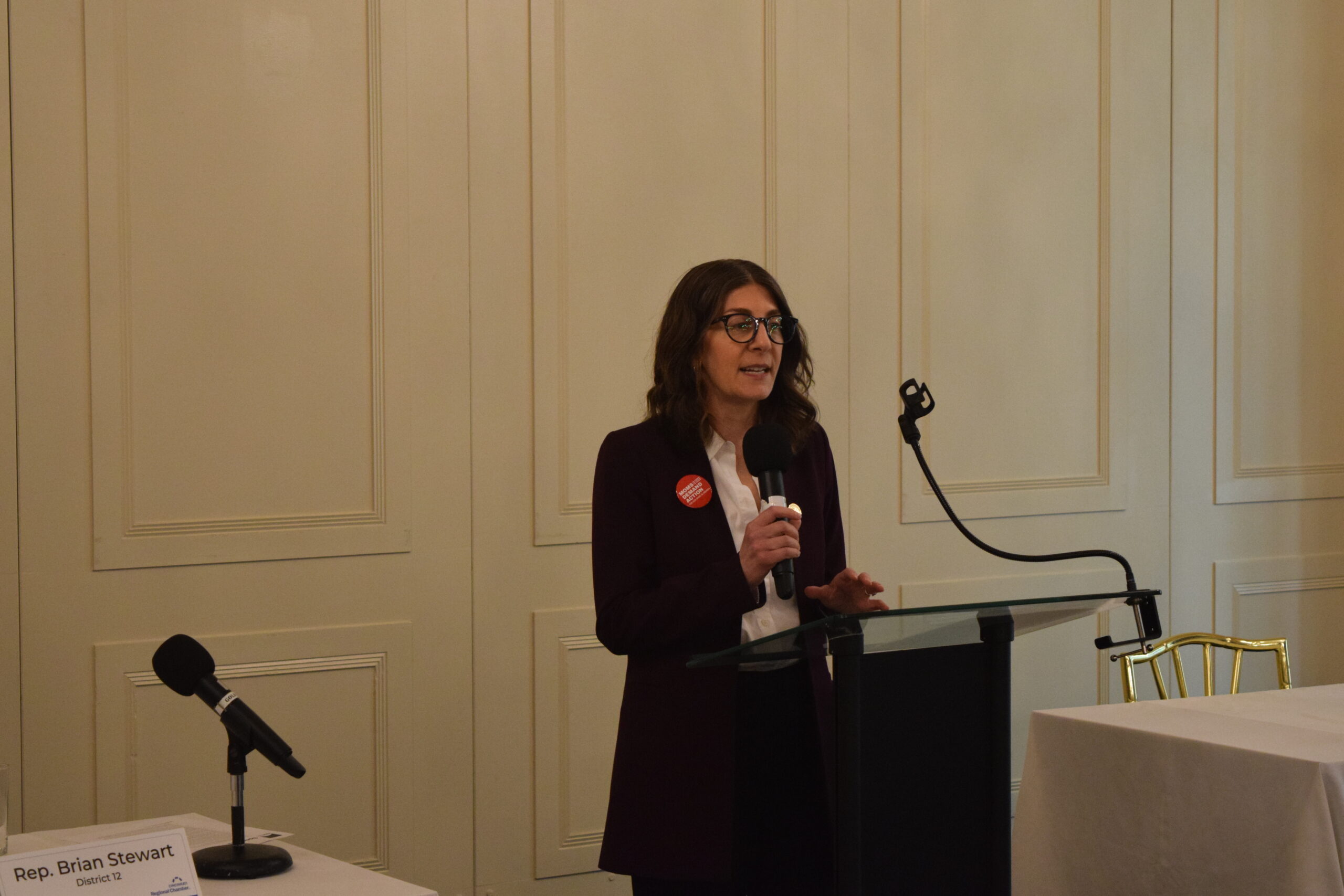
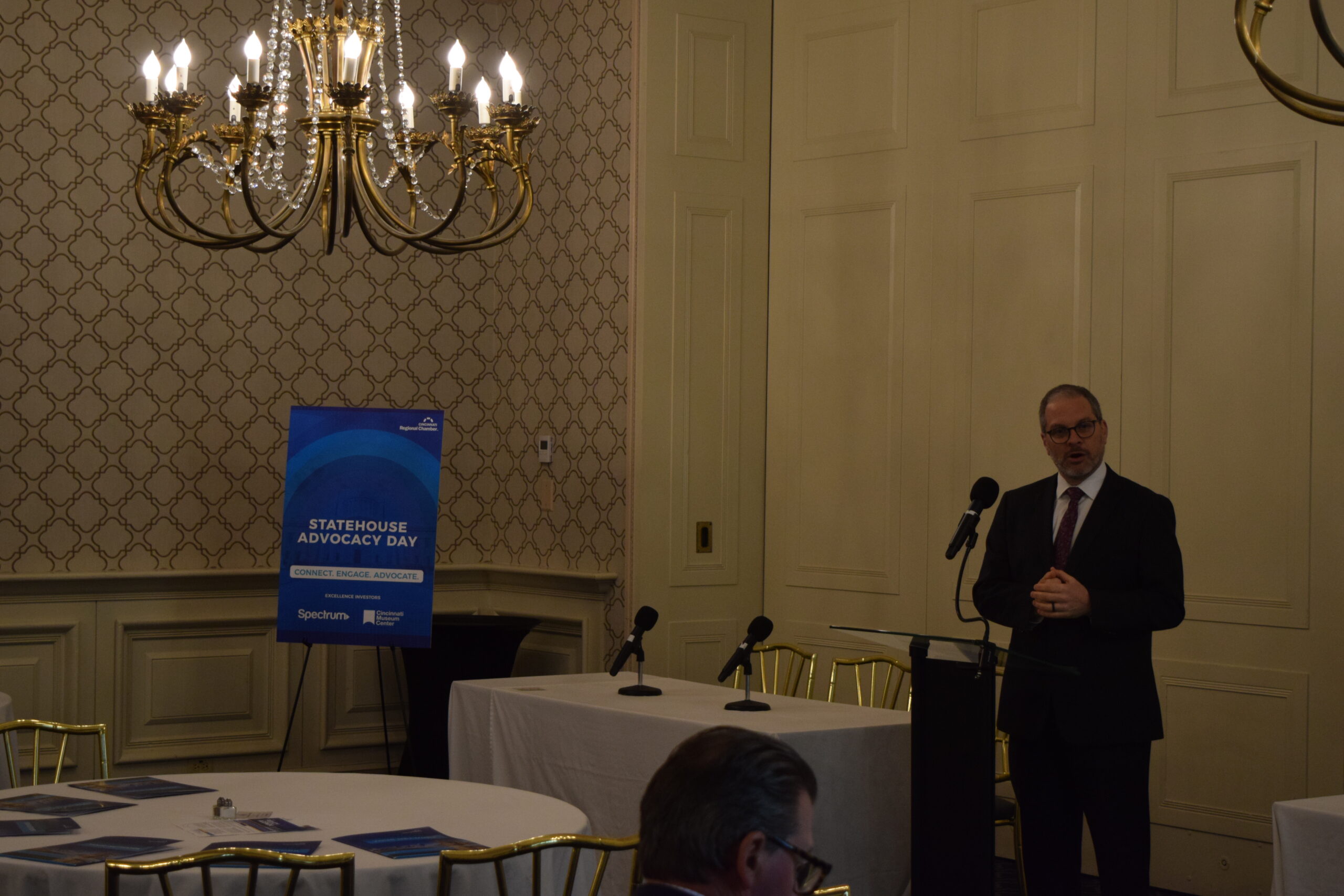
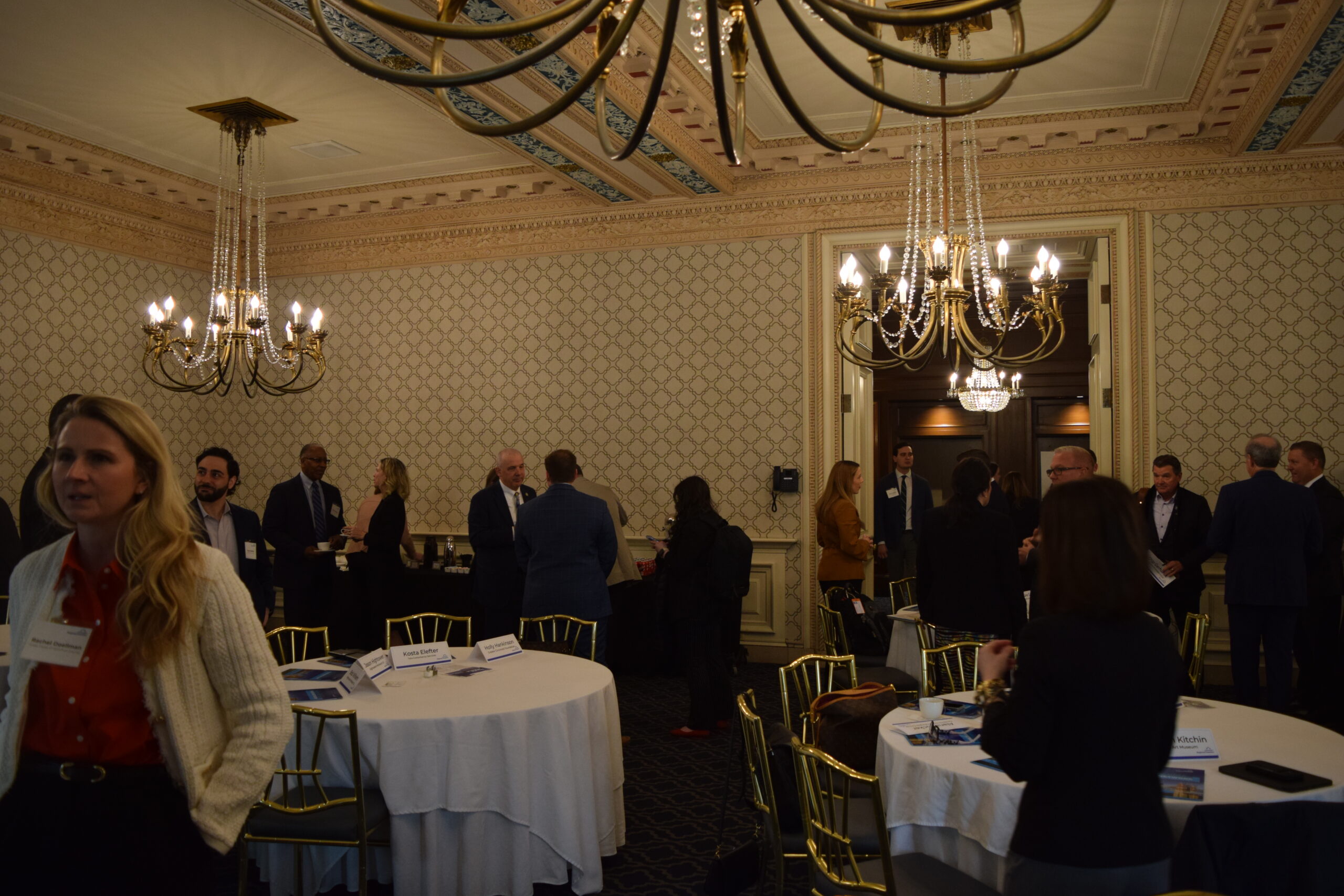
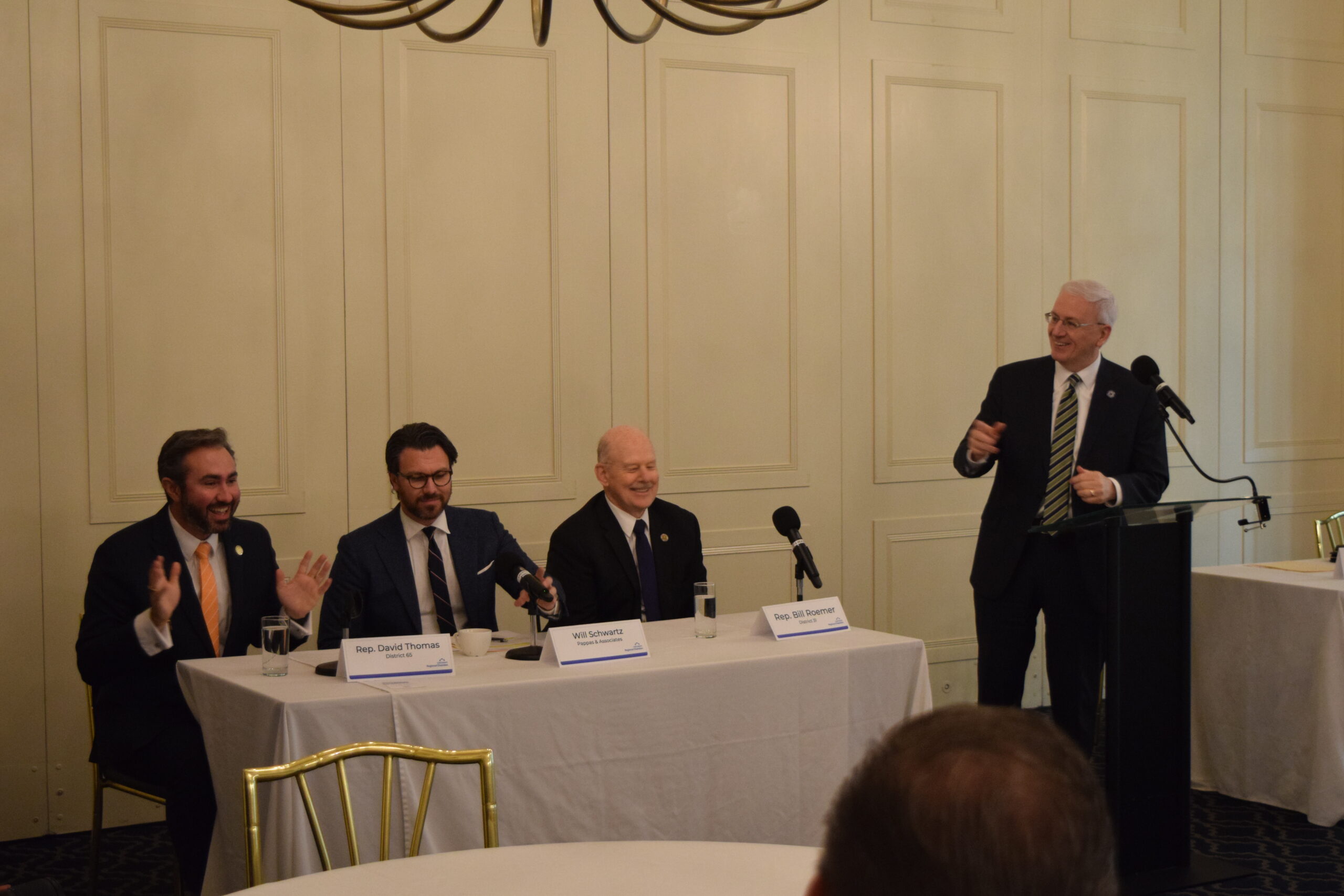
We then moved into a series of policy discussions focused on the most pressing state issues impacting our region. The first panel featured a timely conversation led by House Ways and Means Chair Bill Roemer; Vice Chair David Thomas; and tax expert Will Schwartz and was moderated by former Tax Commissioner Tom Zaino. With property taxes remaining one of the most widely debated issues in Ohio, this panel focused on recent legislative efforts to provide relief to taxpayers, further proposals under consideration, and how property tax policy impacts business costs and long-term investment decisions.
 Next, we examined how the state’s operating and capital budgets are shaping investments in infrastructure, workforce, and economic development. This panel featured House Finance Chair Brian Stewart, Senate Finance Vice Chair Brian Chavez, and Office of Budget and Management Director Kimberly Murnieks, and was moderated by Jim Benedict. Panelists highlighted key funding priorities, the status of current budget negotiations, and opportunities for regions like Cincinnati to compete for strategic investments.
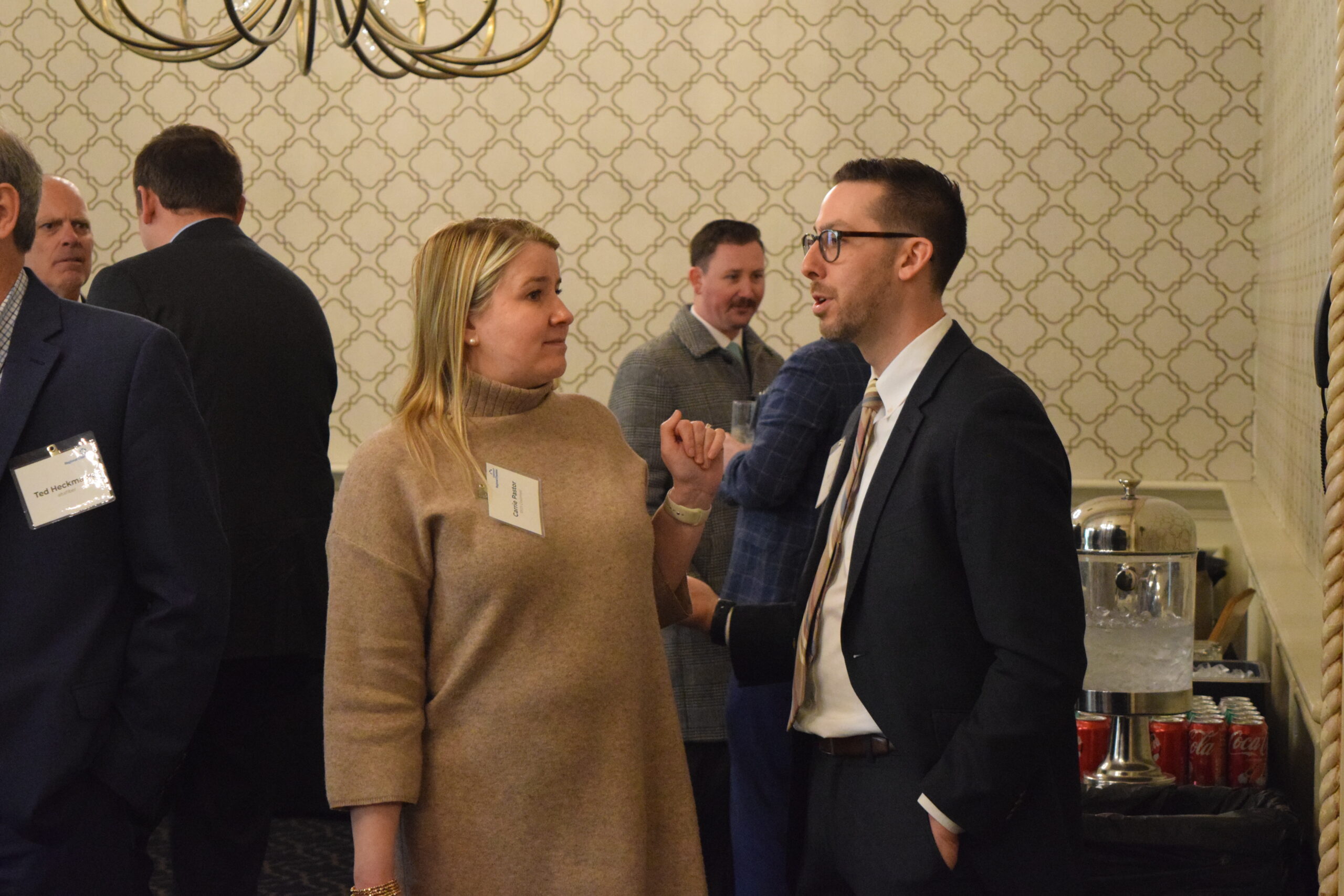
At lunch, attendees had the opportunity to engage directly with members of the Southwest Ohio delegation, reinforcing the importance of maintaining strong relationships between the region and its state leaders.
Following lunch, the conversation turned to workforce development, one of the top concerns for employers in our region and across the state. This panel featured Ohio Department of Job and Family Services Assistant Director Brad Barger, Kristi Clouse from JobsOhio, and Lisa Gray, CEO of Ohio Excels, and was moderated by Mark Kylander, Associate Director of Government Relations for the University of Cincinnati. This panel explored how state agencies, education systems, and workforce programs are working to better align with employer needs. Discussion focused on strengthening career pathways, expanding workforce participation, and addressing gaps in the talent pipeline. The panelists also shared insights on the future of workforce policy as technological developments like artificial intelligence begin to impact the labor market.
In the afternoon, leading Statehouse reporters Jessie Balmert, Jeremy Pelzer, and Andrew Tobias, moderated by former State Senator Stephanie Kunze, provided insights into Ohio’s evolving political landscape, key policy debates, and what to watch as the state approaches the next gubernatorial election.
The day concluded with a discussion on housing and development, featuring Senate Housing Committee Chair Michele Reynolds, Executive Director Bill Beagle of the Ohio Housing Finance Agency, and development leaders, David Zak and Nathan Minerd, moderated by the Ohio Chamber’s General Counsel, Tony Long. Panelists examined the barriers to expanding housing supply and the role of state policy in supporting new development and economic growth.